
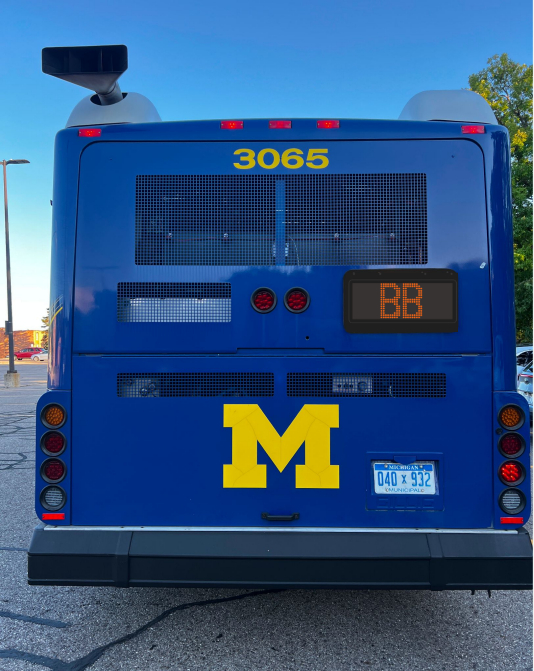
At the core of its mission, Logistics, Transportation, and Parking (LTP) is committed to finding the most efficient ways to move people and resources around campus. This dedication recently led to a collaboration between LTP and student transit drivers from the School of Urban Planning. Drawing from their firsthand experience and academic expertise, these students proposed improvements to the transit system signage, which the LTP team embraced and expanded to improve accessibility and user experience for the campus community.
Understanding the challenges that students, faculty, and staff face in navigating the bus system—especially during peak hours and at our busiest transit hubs—Transit Senior Supervisor Mike Denemy and Communications Manager Tony Floyd refined the students’ suggestions and added several upgrades, which rolled out in the Winter 2025 semester.
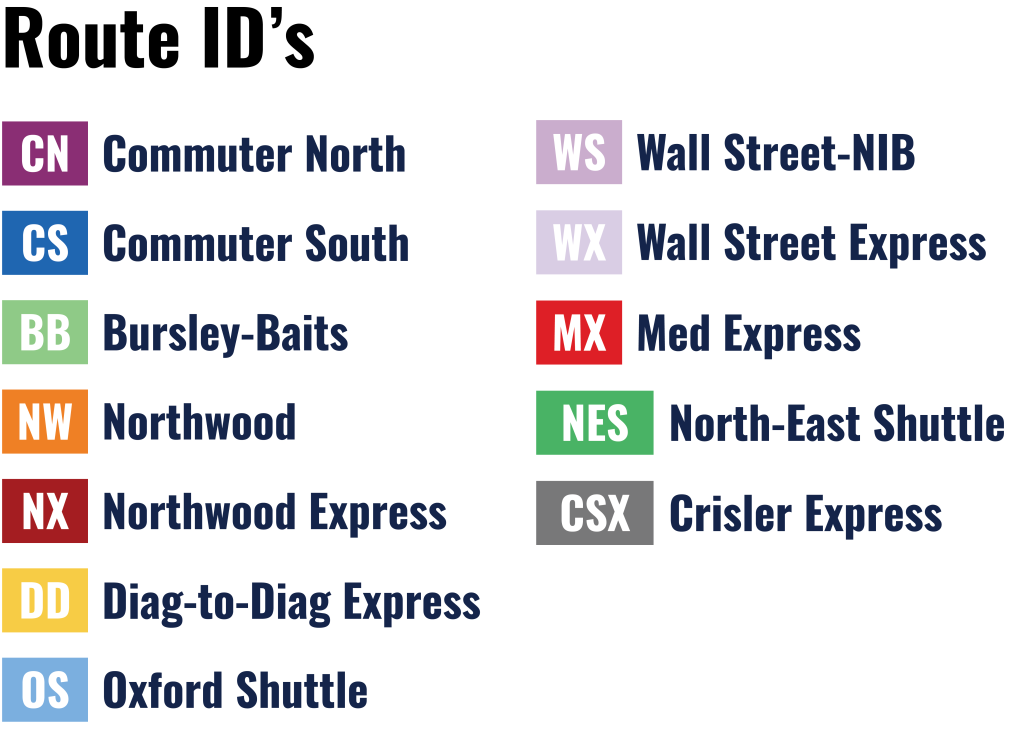
One of the most noticeable improvements is the introduction of simplified bus labeling with route identifiers. Buses now display clear, easy-to-read identifiers on the rear illuminators that correspond with those used in the Magic Bus app, the Rider Guide, and the LTP website. This consistency helps riders quickly and confidently identify their bus across all platforms.
The team also redesigned the route identifiers with new colors to enhance accessibility, particularly for users with visual impairments. The Magic Bus app and LTP website route colors have been updated to ensure continuity wherever the routes are referenced. The bus route guide now features each route identifier alongside the full route name, helping riders get accustomed to the shortened identifiers.
To reduce confusion at busy transit hubs like Pierpont Commons and the Central Campus Transit Center (CCTC), detailed boarding plans have been introduced. These plans indicate exactly where each bus will stop, making it easier for everyone—especially new users—to know where to wait.
High-traffic bus stops now feature updated signs displaying the new route identifiers along with directional indicators, clarifying which buses will arrive and their destinations. This takes the guesswork out of the navigation process.
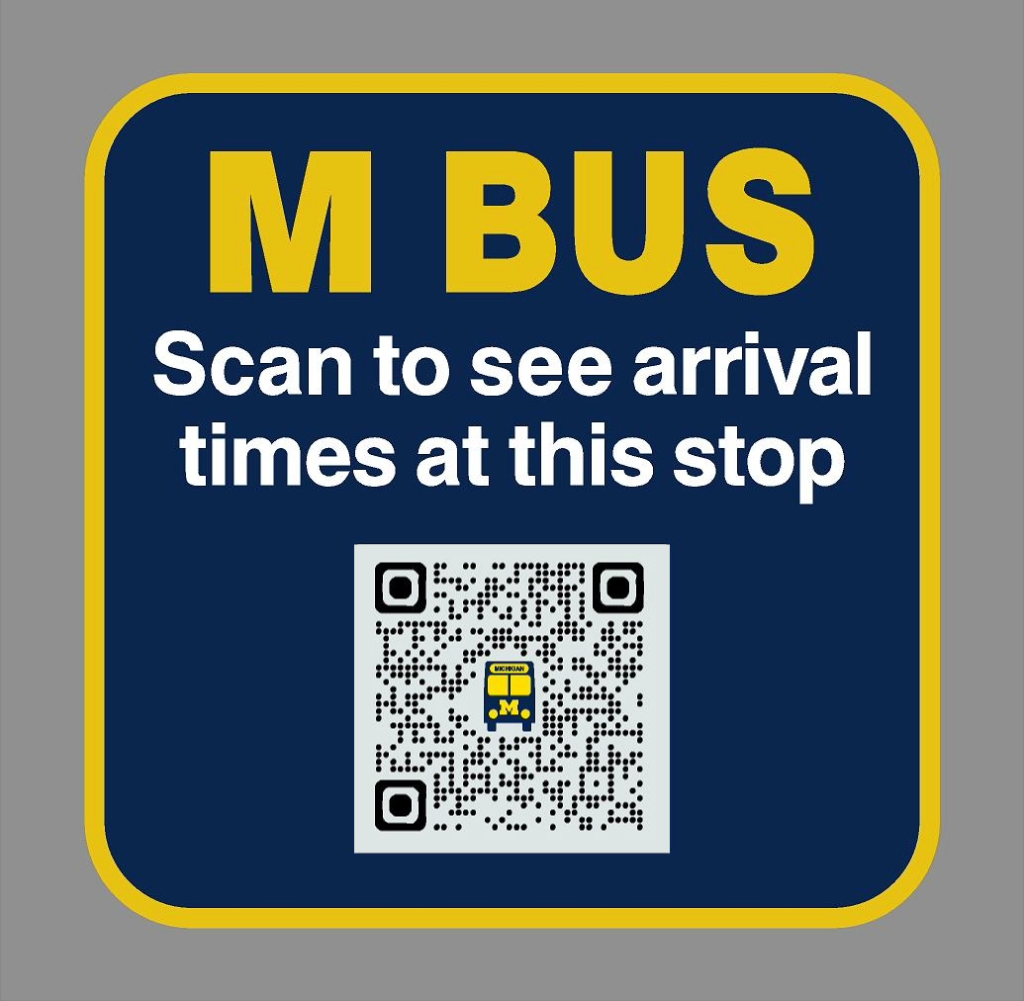
Embracing technology to improve real-time information access, the team has also installed QR codes at all major bus shelters. By simply scanning the code, users can access a webpage displaying estimated arrival times for every U-M bus scheduled at that stop, making it easier to plan journeys even without the app installed.
This collaboration between students and LTP demonstrates how the Core Principles of F&O—respectful, proactive, collaborative, and solutions-based—translate into progress for the university community.